


Many of you asked me what I think about the Luce.
Short answer: I can’t say. It’s part of my day job and there are direct competitive reasons. Even if I could, I wouldn’t. I know what it feels like to spend years inside a project, then watch the internet decide your work in 24 hours. I have only empathy for “the colleagues” who are reading those headlines today.
So I’ll do something more useful. I want to bring you an inspiration by re-using something I wrote in December 2024, back when Jaguar tried to rebrand without a car and the internet asked “where are the cars?”
That post was about Raymond Loewy, a French-American designer who died in 1986 and somehow keeps being right.
Most Advanced, Yet Acceptable.
In the world of innovation, there’s a fine line between visionary and alienating.
In 2024, Jaguar boldly rebranded itself as an all-electric luxury automaker, unveiling sleek marketing campaigns with an unmistakable message: the future is here. But the reaction wasn’t one of awe. Instead, loyal fans and skeptical customers alike posed a blunt question: “Where are the cars?”
From this:
To this:
The campaign faltered not because Jaguar’s vision is wrong in and of itself but because it skipped a critical step in its evolution. It leaped so far ahead with its messaging that it left its audience behind. Longtime fans, accustomed to Jaguar’s identity as a maker of luxury performance cars, saw little connection between the bold promises of tomorrow and the brand they recognized today.
While Jaguar painted an enticing picture of its electric future, it failed in my opinion to:
Ground the vision in the present: With no visible product lineup or roadmap to back the campaign, the promise of “future luxury” felt intangible.
Acknowledge the audience’s expectations: Jaguar’s core customers weren’t just looking for innovation—they also wanted reassurance that the values they loved in the brand weren’t being discarded.
Provide a transitional bridge: Abruptly leaping to a reimagined identity without incremental steps left audiences disconnected and skeptical.
In other words, it overlooked what industrial designer Raymond Loewy once identified as the key to innovation success: the MAYA principle: Most Advanced Yet Acceptable.
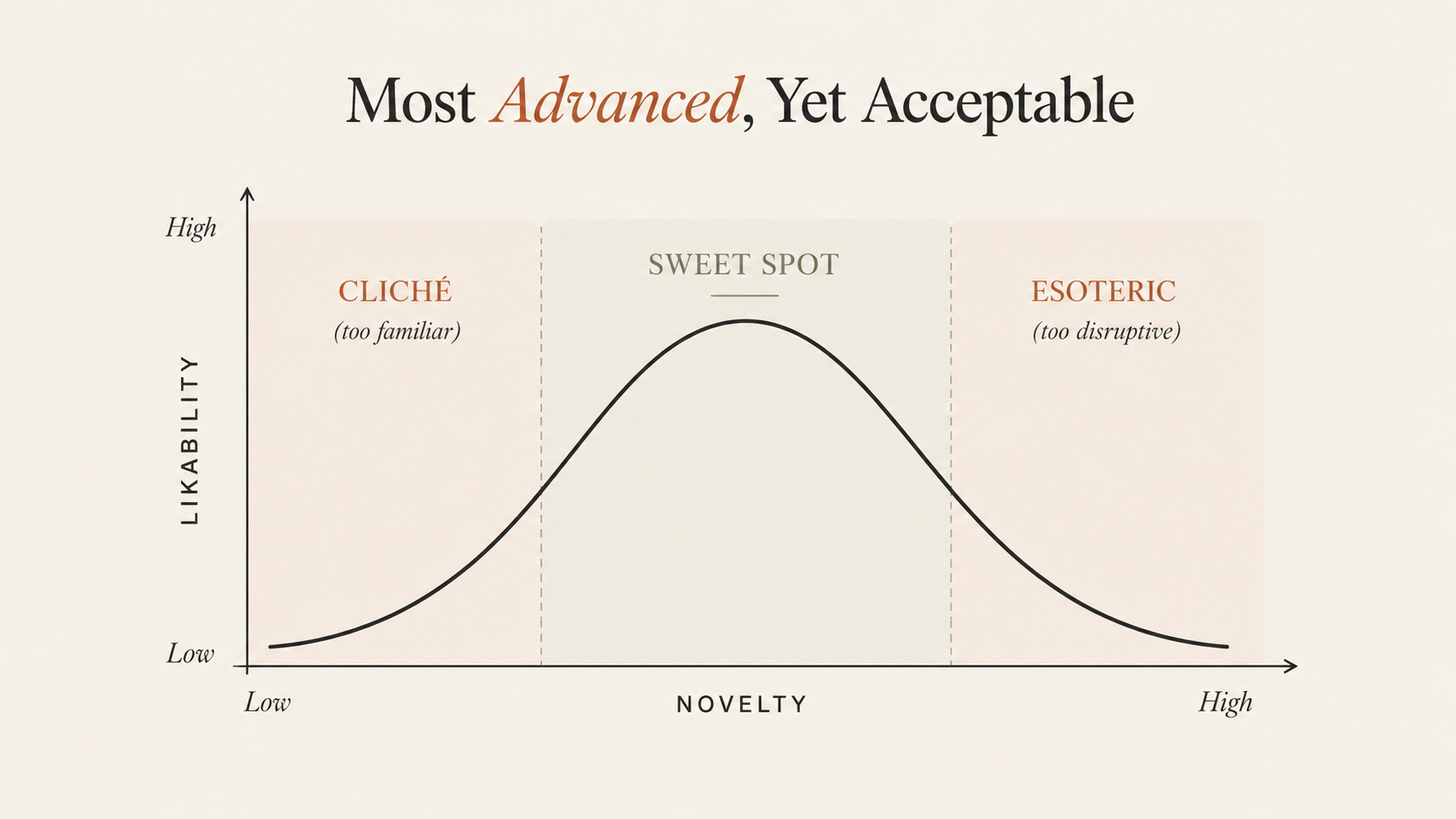
MAYA reminds us that while customers may crave innovation, they also need something they can grasp today. In corporate innovation, as in design (and branding as well), the balance between aspiration and accessibility can mean the difference between a breakout success and a misguided leap too far.
The MAYA Principle: Innovation’s Balancing Act
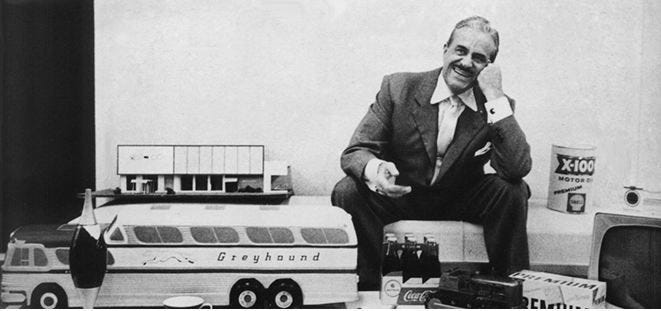
Innovation is seductive. The thrill of unveiling something revolutionary often tempts companies to leap into the future. But as Raymond Loewy, the father of industrial design, observed:
The adult public’s taste is not necessarily ready to accept the logical solutions to their requirements if the solution implies too vast a departure from what they have been conditioned into accepting.

He believed that consumers are torn between two opposing forces: neophilia, a curiosity about new things; and neophobia, a fear of anything too new. As a result, they gravitate to products that are bold, but instantly comprehensible. Loewy called his grand theory “Most Advanced Yet Acceptable” — MAYA.
He said to sell something surprising, make it familiar; and to sell something familiar, make it surprising. The result? Products that weren’t just innovative but universally embraced.
Building on Loewy’s insights, Harvard Business School professor Karim Lakhani describes the concept of “optimal newness” as the key to sustained consumer appeal. This sweet spot (being advanced yet acceptable) embodies the essence of MAYA. Lakhani points out that “everyone dislikes novelty,” adding that experts, in particular, can be overly critical of ideas within their own domain.
To achieve optimal newness, an idea must strike a balance: familiar enough to resonate, with just the right twist to feel fresh.
In the corporate world the rules are the same. Creating something visionary is half the job. Making that vision accessible is the other half. The real question every corporate innovator faces: how far can you push before your audience pushes back?
Why MAYA is a lifeline for corporate innovation
Corporate innovation is a balancing act. On one side, there’s the need to stay ahead of the curve. On the other, there’s the reality that people (customers, employees, and even investors) have a comfort zone. Stray too far beyond it, and you risk losing their trust. Play it too safe, and you risk irrelevance.
When it comes to Industrial Design specifically, many studies showed that people prefer novel designs as long as the novelty does not affect typicality, or, phrased differently, they prefer typicality given that this is not to the detriment of novelty.
The secret lies in blending the new with the known:
1. Dose innovation in increments (at the eyes of your customer)
Rather than making a giant leap into the unknown, innovation should (usually) unfold in stages. By gradually introducing new solutions, you can ease your audience into the disruptive future without overwhelming them. Now, I know that especially in the automotive world, is not always easy.
Restraint is the hardest discipline in heritage innovation. The lab can have the answer to ten different problems. The market can absorb maybe one of those answers a year. Push more than the market wants to swallow and you risk to jeopardize your heritage.
- Even if you could, it doesn’t mean that you should
Why it works: The discipline is dosage. Knowing what to ship now, what to hold for the next platform, and what to keep in the lab forever even though it works.
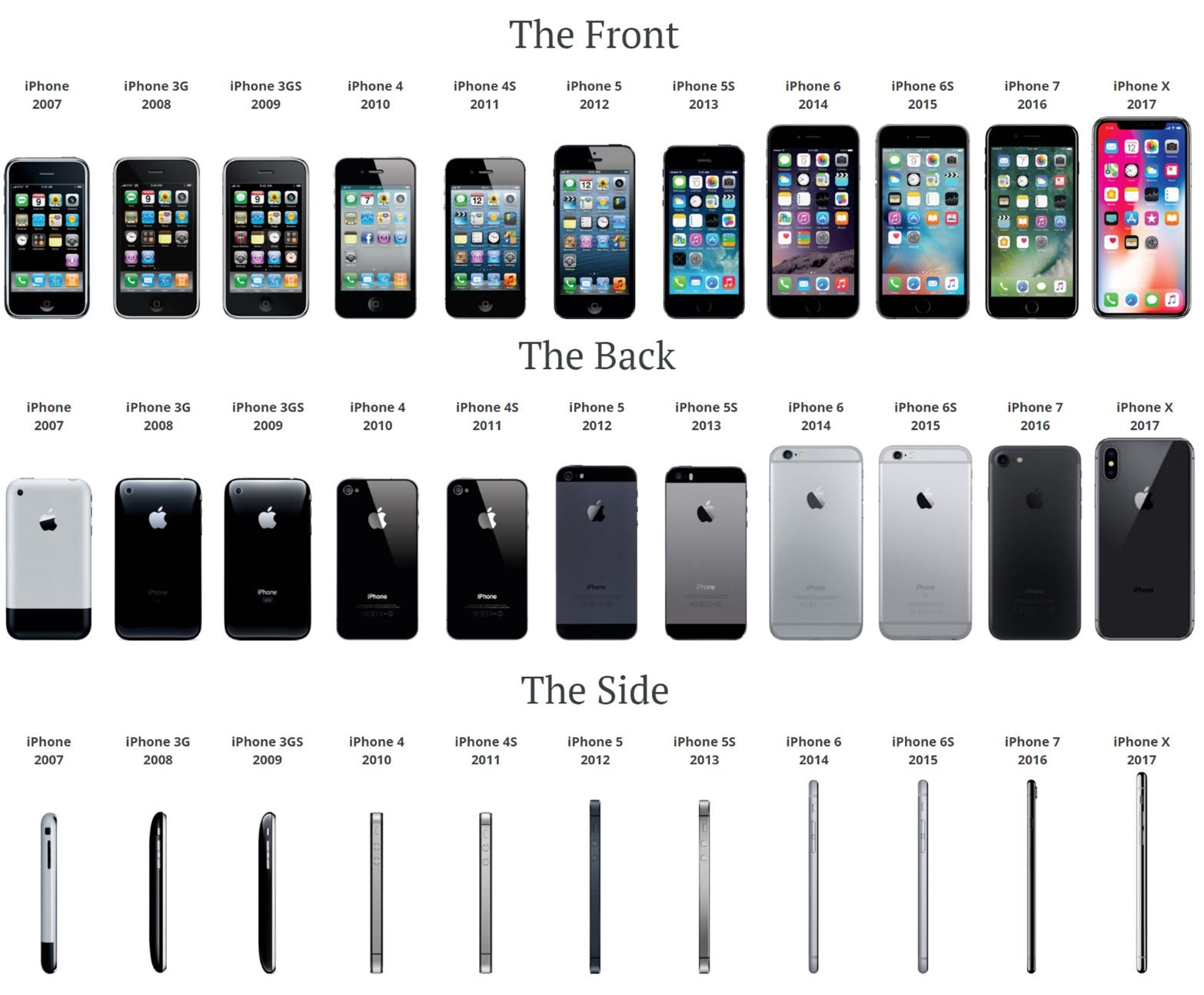
How it looks: Think of how smartphone manufacturers release updates. Each new generation introduces advanced features, but always in the context of a familiar design and user experience.
2. Bridge the gap with the familiar
Every innovation, no matter how advanced, needs a tether to the present. Whether it’s through design, messaging, or functionality, you must ground your vision in elements your audience already understands and values.
Why it works: Familiarity creates a sense of trust and relatability. People are more likely to embrace something new when it doesn’t feel entirely foreign.
3. Speak to both the head and the heart
People don’t just buy products. They buy what those products represent. To achieve the “acceptable” part of MAYA, innovators must address both practical concerns and emotional connections.
Why it works: People need to see how innovation solves their current problems while aligning with their identity and aspirations.
How it looks: Messaging should emphasize continuity, showing how the innovation builds on the company’s legacy and values.
4. Test the waters
Engaging with customers before a major rollout can help you gauge how ready your audience is for change. Feedback loops, pilot programs, and prototypes are essential tools for ensuring innovations land as intended.
Why it works: Early testing reveals potential roadblocks and allows for adjustments before full-scale implementation.
How it looks: Tech companies frequently launch beta programs, inviting early adopters to provide input and build buzz while refining their offerings.
5. Stay true to who you are
The most expensive mistake in luxury is pretending to be someone you’re not. When a heritage brand chases a trend or copies a competitor’s playbook, it leaks the one thing it can’t manufacture: authenticity. Customers pay the premium for the brand. Replace the brand, and there’s nothing left to pay for.
Innovation has to come from who you already are.
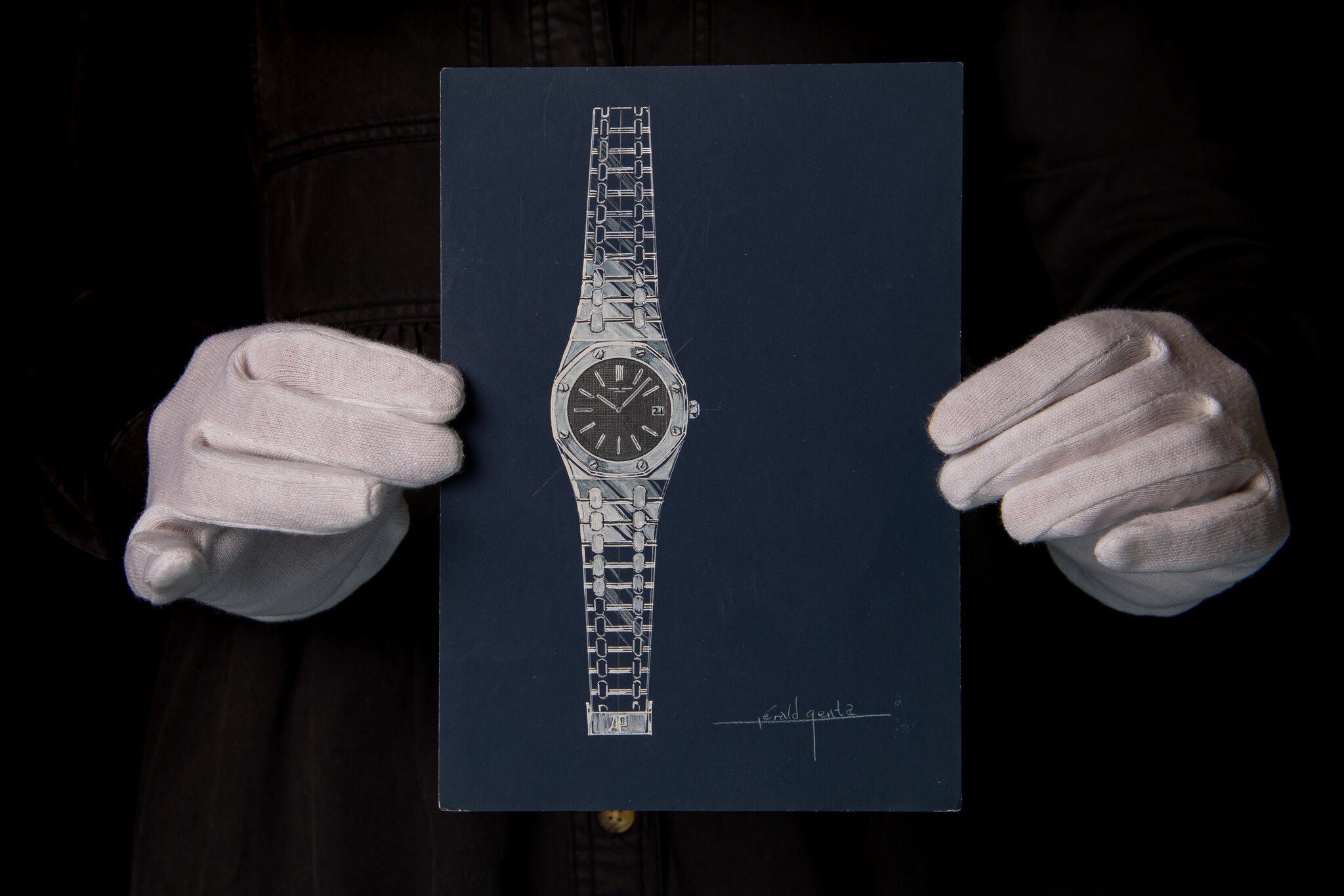
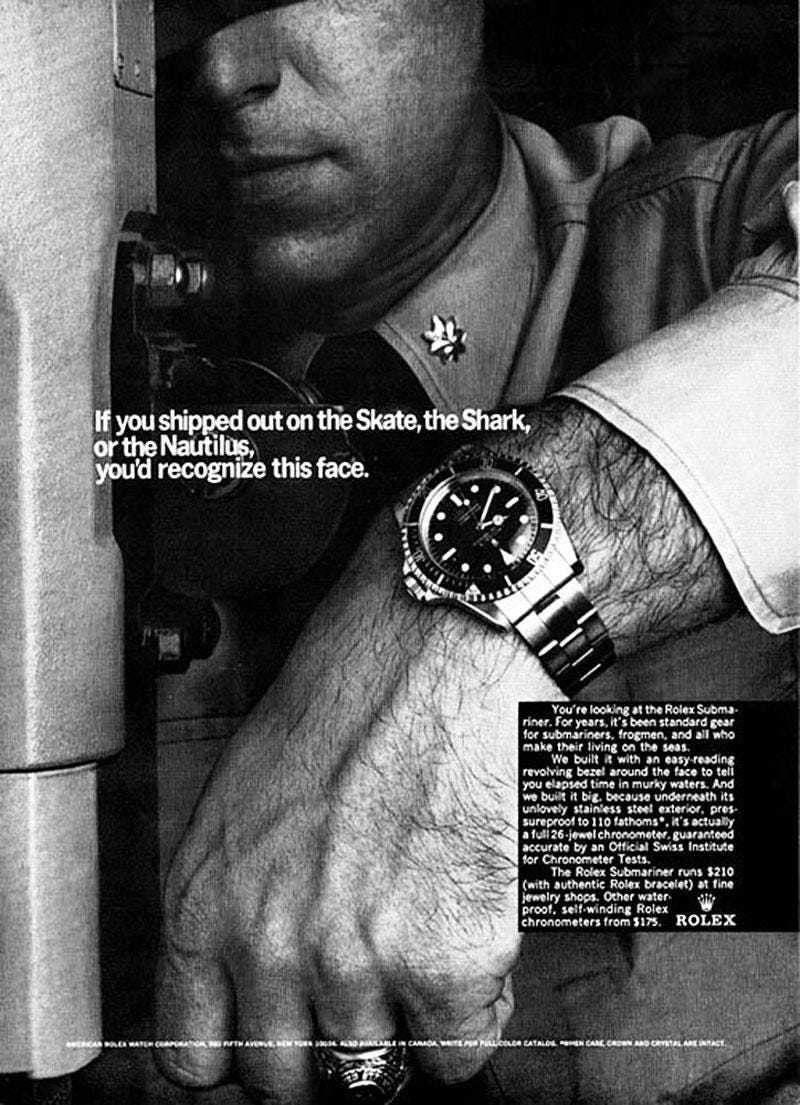
AP did a good job staying true to its roots. They changed the material and the shape. They kept the mechanical movement intact. AP hired Gérald Genta. He was a freelancer, but he was a watch designer. He understood Swiss watchmaking.
Tech forces a hard shift on most products. The quartz crisis and the smartphone launch show this reality. You cannot stop the disruption. You can only control how your customers experience it. MAYA is the tool you use to build that bridge.
If you are interested in knowing more about MAYA, check out this nice article by every.
So what do you do on Monday morning
If you run innovation inside a heritage brand, this stuff lands on your desk regularly. Some people wants to “go bolder.” Some startup wants to disrupt your category. Some analyst wants to know why you’re not Tesla.
Use this lens before you answer.
Innovation has two budgets. Money and permission. Money is easy to track. Permission is what your customer base lends you to push their identity forward. Spend it slowly and you compound it. Spend it all at once and you take a big risk.
What about you? Are you building a bridge to the future, or leaping too far ahead? Because the most transformative ideas don’t just push boundaries, they bring people along for the ride.
See you next time and keep innovating!
Davide
P.S. Disclaimer: This post reflects only my personal opinions and knowledge. My employer has zero involvement in these views.
Ah right, the soundtrack.
MAYA exists in music as well: the most iconic songs often strike that perfect balance between the familiar and the unexpected. Think about the universal appeal of the four-chord progression (I–V–vi–IV)—a foundation so recognizable it’s behind hits like Let It Be, Don’t Stop Believin’, Can You Feel the Love Tonight, and No Woman, No Cry.